Welcome and Big Picture
Orient yourself inside the Bank of England Museum and the long story of money, credit, and the UK economy.
18 narrated clips through the Bank of England’s museum — from 1694 and Soane’s Stock Office to banknotes, gold, and the modern economy. Stream or download for offline listening.
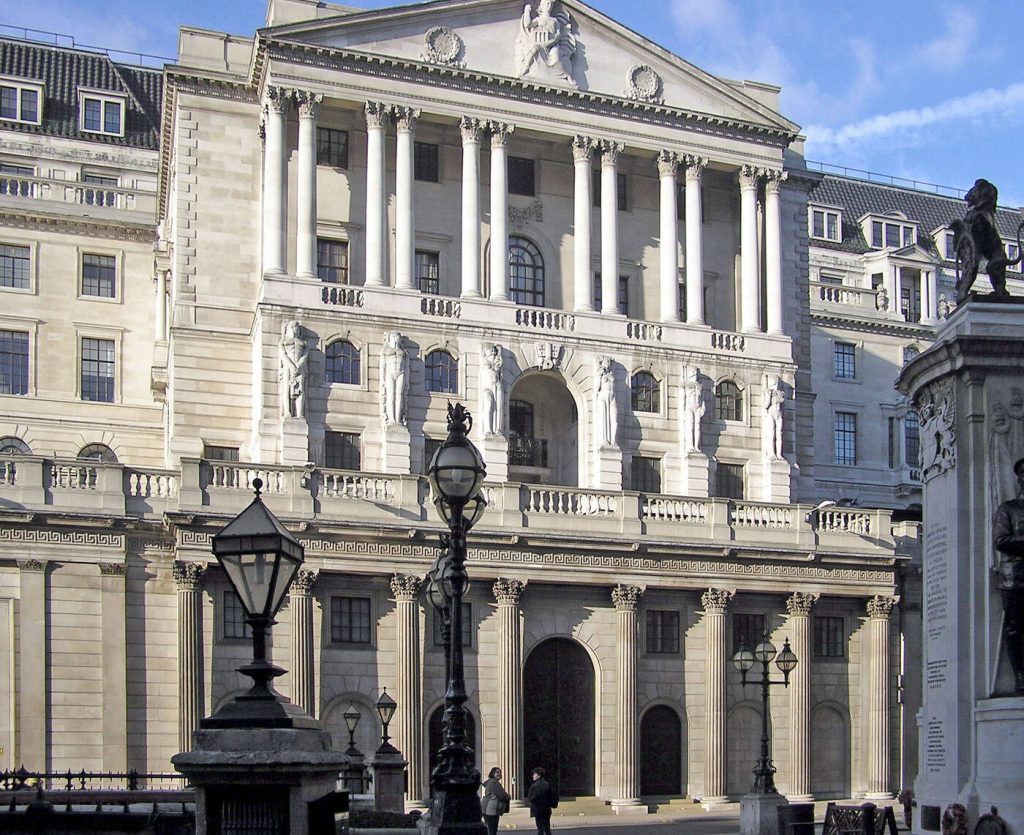
Explore the Bank of England Museum with a professional audio guide that traces three centuries of money, architecture, and economic life. Walk the free City museum inside Threadneedle Street with clear commentary shaped around the galleries, reconstructions, and highlights you will actually visit.
The Bank of England Museum sits within the Bank of England in the City of London, entered from Bartholomew Lane rather than the grand Threadneedle Street façade. Opened by Queen Elizabeth II in 1988 after a fire accelerated plans for a public museum, it displays the Bank’s history and the UK economy from the institution’s foundation in 1694 to the present. Admission is free, Monday to Friday, making it one of the Square Mile’s most accessible specialist museums.
The Bank itself was founded in 1694 to raise money for war and stabilise public credit. Displays take you from early charters and handwritten ledgers to the move onto Threadneedle Street, then into Sir John Soane’s reconstructed eighteenth-century Stock Office — a theatrical space of light and shadow that evokes how the Bank once conducted business. Later galleries explain Sir Herbert Baker’s twentieth-century rebuilding of the fortress-like complex that still dominates the City.
Money is the museum’s core story. The Banknote Gallery and related collections — more than 40,000 items overall, with tens of thousands linked to note design and production — show the shift from metal coin to paper currency, the symbolism and security features of notes, and the grim history of forgery. A celebrated highlight is the chance to hold a genuine gold bar (through its protective case), with its value updated daily beside the display, while coins and bullion exhibits ground abstract “value” in physical metal.
Other themes widen the picture: pikes and muskets recall how the Bank was guarded; archaeology reveals layers beneath the site; and the Modern Economy gallery connects interest rates and inflation to everyday life. Rotating temporary exhibitions keep the narrative current — from anniversary object displays to digital stories about new banknote designs — so repeat visits often find something new.
The museum covers around 10,000 square feet, so an hour rewards a focused route while curious visitors can linger longer among architecture, gold, and note galleries. Our Musequence audio guide offers eighteen clips — about seventeen minutes of narration — you can follow in full or sample by theme: founding and Threadneedle Street, Soane and Baker, banknotes and counterfeits, gold and coins, defence and archaeology, then rates, exhibitions, and a closing reflection by the shop. Use it as a continuous path or skip to the gold bar, Stock Office, or Modern Economy displays that interest you most.
Arrive via Bank station and walk round to Bartholomew Lane; no booking is required for general admission on weekdays. Whether you come for the liftable gold bar, Soane’s Stock Office, banknote security stories, or a clearer sense of how the central bank shaped Britain’s money, the guide helps you read the museum as one continuous narrative from wartime finance in 1694 to the economy you live in today.
Orient yourself inside the Bank of England Museum and the long story of money, credit, and the UK economy.
Go back to the Bank’s founding as a wartime finance machine that reshaped public credit in Britain.
Follow the Bank onto Threadneedle Street and the Square Mile address that still defines it today.
Look closely at charters, ledgers, and the handwritten paperwork of early central banking.
Step into the reconstructed John Soane Stock Office — light, shadow, and the drama of eighteenth-century dealing.
Read Soane’s architecture as a walled city of controlled light, security, and theatrical space.
Understand Sir Herbert Baker’s twentieth-century rebuild of the fortress-like Bank complex.
Trace the shift from metal coin to Bank of England paper notes as everyday money.
Explore how banknote design balances symbolism, trust, and hard-to-copy security features.
Confront forgeries and the high stakes of counterfeiting in the history of the note.
Meet bullion and the famous liftable gold bar — physical reserves made tangible for visitors.
Handle the idea of value through coins and the material culture of money.
See how the Bank protected itself — from pikes and muskets to the idea of a guarded citadel of credit.
Discover archaeological layers under the Bank site and the deep history of this City corner.
Connect interest rates and inflation to the everyday economy the Bank still shapes.
See how temporary exhibitions refresh the museum’s story with new objects and themes.
Pull founding, architecture, notes, and gold into one continuous narrative of the Bank.
Leave with closing reflections and a moment for the museum shop before you return to the City streets.
The guide has 18 narrated clips totalling about 17 minutes of audio. Most visitors combine it with time in the permanent galleries and any temporary exhibitions.
Yes. The museum is free to visit with no booking required for general admission. It is open Monday to Friday, 10am to 5pm (last entry 4.30pm), and closed weekends and Bank Holidays.
Clips move from the Bank’s 1694 foundation and Threadneedle Street through Soane’s Stock Office and Baker’s rebuilding, banknotes and forgery, gold and coins, guarding and archaeology, then the modern economy and temporary exhibitions.
The entrance is on Bartholomew Lane, London EC2R 8AH — around the corner to the right if you face the Bank’s main entrance on Threadneedle Street.
Yes. After purchase in the Musequence app you can stream on your phone or download the clips for offline listening while you walk the museum.
The Bank of England Museum audio guide is available from £4.99 in the Musequence app.
Bank of England Museum
Bartholomew Lane
London EC2R 8AH
Musequence is in a private beta. Register for early access and we'll invite you as soon as guide creation and the mobile apps are ready.
Request Early Access